Should Projects Start with the People Side of Change?
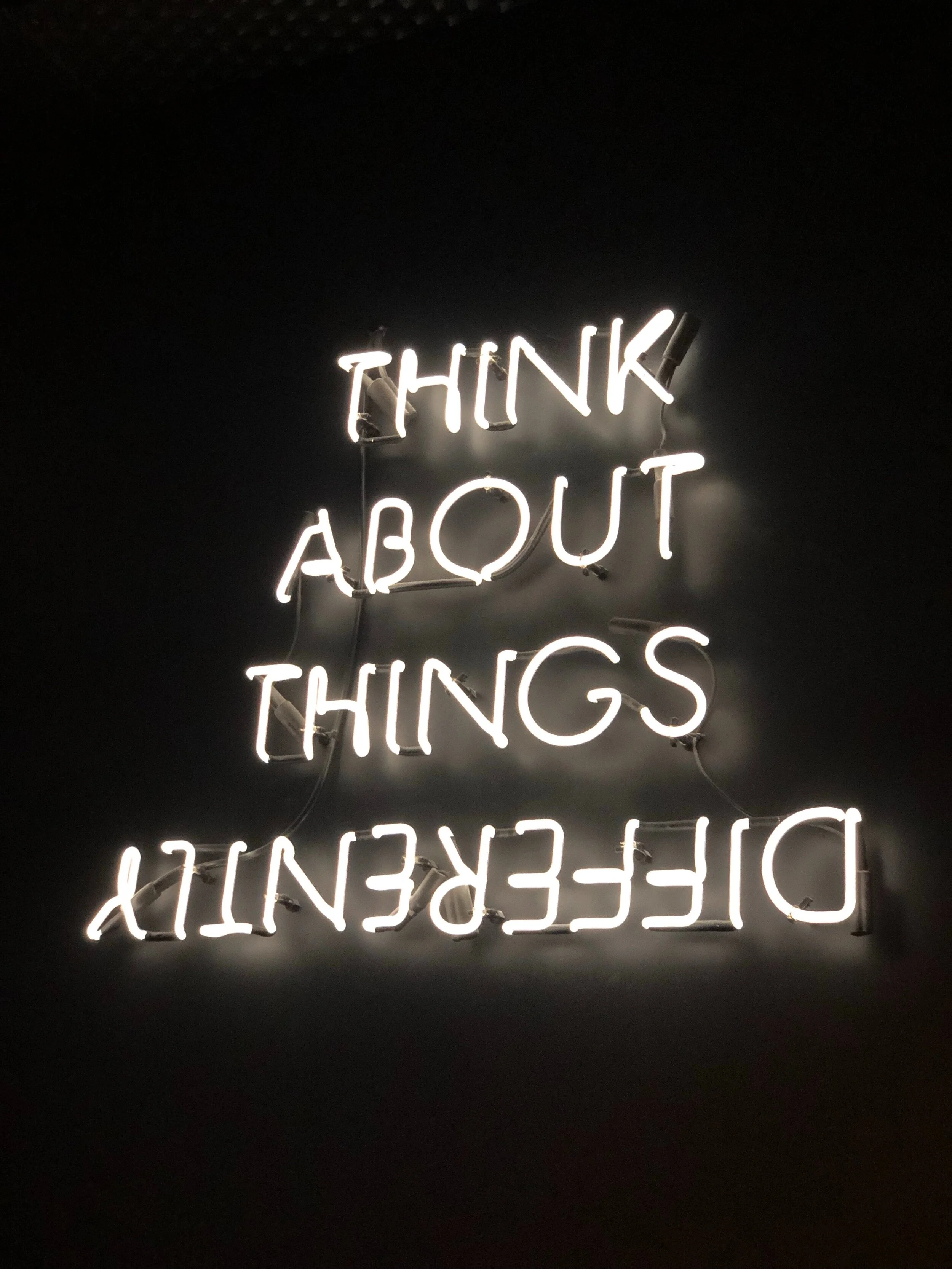
What would happen if every project started with the People Side of Change?
In the big transformation programmes that I’ve worked on (most of which have involved technology), the vast majority of the resources (people and money) are dedicated to funding the work needed to build the final asset - whether that is a system, a road, a bridge or a factory. And that kind of makes sense. But given the fact that most projects ultimately require people to do something different - be they employees or customers - why is there not more focus on resourcing the People Side of Change?
One of the first set of activities for the project team is to create the technical requirements for whatever is being built as well as thinking about how they will test the final solution. In some projects there will be detailed change management plans and training schedules, but quite often the analysis of how people will be impacted is pretty sketchy at best and certainly doesn’t tend to get the same degree of scrutiny as the technical delivery plans. I’ve rarely seen a comprehensive set of documented people requirements.
There may be no need to get into a granular level of impact assessments but a project manager should at least be asking him or herself - who will be impacted by the changes this project is designed to deliver? If people are impacted by the change, then a member of the project team must take accountability for the People Side of Change and be on the hook for the activities that will get buy-in and adoption so that the organisation will realise the business benefits.
When you are building something new - especially software - it is really important to test it. Again, most projects have a sizeable budget for testing (and re-testing - don’t get me started!). I can’t remember ever seeing a line on a project plan that mentions testing that the people requirements have been met?
Here are 6 ideas a project manager can do to test if people are ready to sustain the change after the project is finished. This is not an exhaustive list - the main point is to ask the people impacted if they feel ready and make sure you listen to their answer. If the answer is that they are not, then take action, let them know and ask again.
Do - ask people if there is anything else they need to adopt the change? Have they had the training they need? Are they clear about what is changing for them and what is not - do they sound sure, or are they sounding a bit nervous? Try to pick up the signals and be open. Better to find out if there are gaps to be filled before the project finishes.
Do - validate that any training that has been delivered is effective - it’s not enough to report the number of people that have completed an e-learning module. What matters is whether or not people have the skills and confidence to do their job. So try asking questions - how well did the training meet your expectations? Did you spend enough time practising what you will have to do when you go back to your desk?
Do - spend time with the managers of the people who have to work differently and agree what is expected of their teams from day 1. Do they have everything they need to coach and support their people through the change curve?
Do - involve people early in the change and keep in regular contact. When people are engaged from the beginning, they are more likely to feel comfortable with the change when the project is reaching completion.
Do - provide clear lines of support (not just a help desk number) in the early days after the change has been implemented
Do - thank people for being involved and making the change
My final ask for project managers is to give equal weight in project reviews to the people side of change as they do to the technical deliverables. In one programme I worked on, we used to start with the people change management updates otherwise the whole meeting would be taken up with discussions about the technical elements of the project.
If you want to get to work to learn a bit more about how to build the people side of change into your project plans, please do get in touch: [email protected]