Leave room for pudding…
Do you find that you run out of time when you are presenting, running a workshop or delivering a training session?
Why does the first item on the agenda always take longer than you expect?
For many years I’ve been fascinated by the tendency many of us seem to have which is to spend a disproportionate amount of time on what comes first, whether it is the first slide in a presentation, the first item on the agenda, or the first topic in a training course.
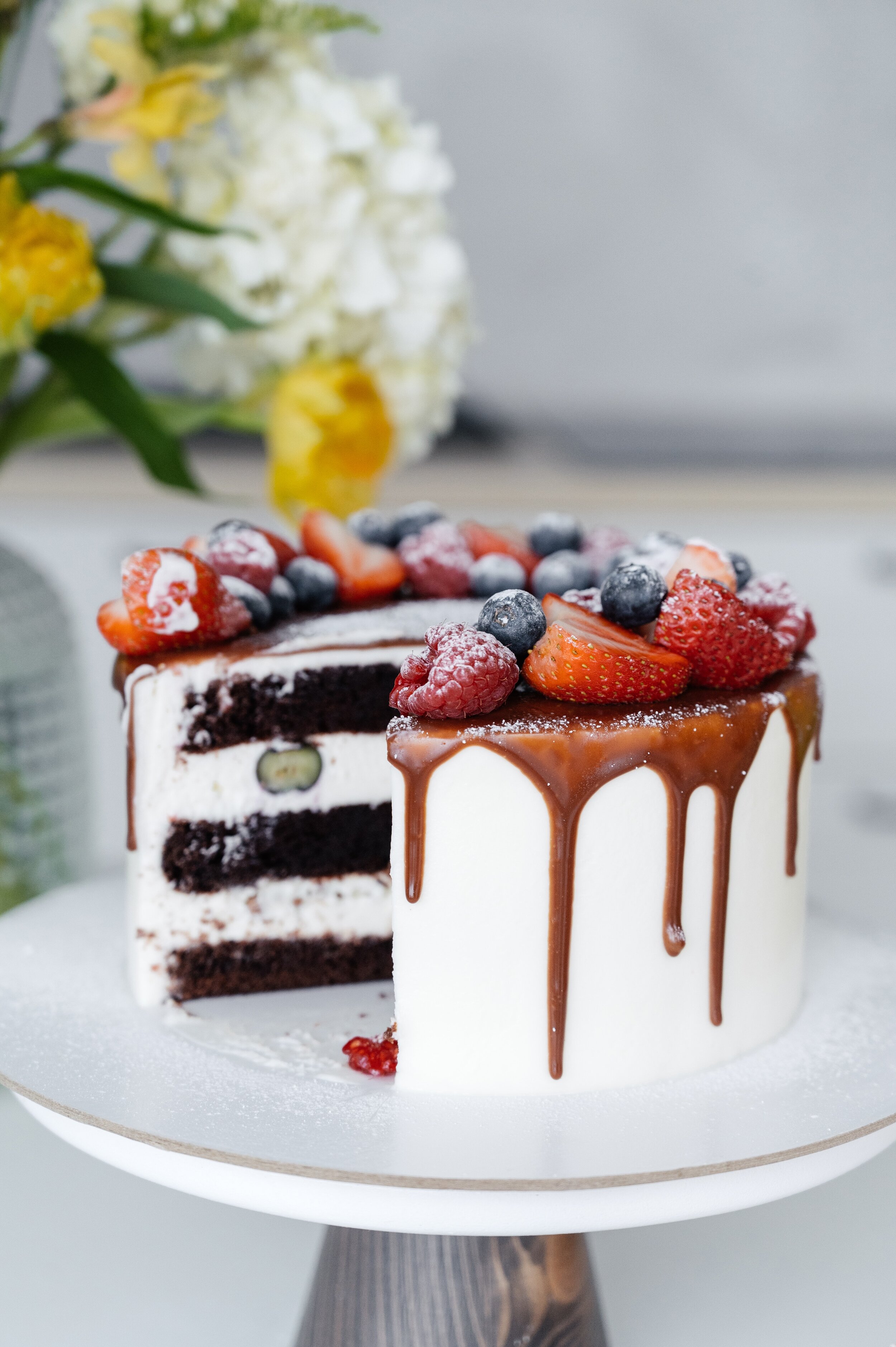
It feels like you gorge on the pre-dinner snacks and the starter and find that you have no room for the main course, let alone the delicious pudding!
I’m quite an impatient and action-orientated person. In meetings I want to get to the interesting part of the session - what are the options, what are we going to do, what are the next steps. In a training course I want to get to learning. I do want to know the other people on the course but I can do that at the break - ice-breakers feel like a waste of learning time to me.
I have no scientific evidence for why this happens, but I thought I’d share my musings anyway...
If you put a lot of time and effort into preparing a presentation, maybe it’s natural to want to show the fruits of your labour. After all, when we did maths at school you would get marks for showing your workings.
When people take the stage (virtual or otherwise) and start talking they go into a zone and lose track of time. Maybe they like the sound of their own voice a bit too much!
It’s really hard to concentrate on what you want to say and have an eye on the clock when you are really enthused by your subject
And there are the people who want to show how smart they are and how hard they have worked by explaining every twist and turn in the road
One of the reasons I care about this subject is that if the person presenting or training doesn’t get to the end or do justice to the meat and potatoes of their session, they may not get a second chance with their audience - and all the hard work and thinking that they have done will be wasted.
As well as the basics of having an agenda, identifying your audience, agreeing actions, I have thought of 10 tips that might help. I try to use them myself and when I coach others.
Always spend time thinking about what good would look like for you and your audience at the end of the session? Think Steven Covey and start with the end in mind. What is 10 out of 10?
Remind yourself of all the boring and frustrating meetings you have attended - write a list of things that you don’t want your audience to say about your meeting or presentation
Imagine you only have a quarter of the time you were originally allocated - what would you focus on. Make sure you ring-fence time to cover that bit of your presentation and slim down the rest.
Decide what you really want your audience to take away from the session. Is it a chance for people to share their views, do you want to inspire your audience with some new ideas, do you have important information that they need to understand, do you want to get agreement on a decision?
Only start preparing the detail of what you want to say after you have blocked out the elements of your session: the start, 3 key points and a punchy end.
If it’s an important event - practise with a clock
Ask someone who is going to be at the meeting/presentation to give you a signal when you have eg 5 mins left
Whatever you think you can cover - it will be much less - especially if you want interaction and discussion.
Start to wrap up at least 5 minutes before the end - no-one will mind if you finish early by 2 minutes but it might annoy them if you over run
Don’t be afraid to ask for feedback - ask attendees to give you a mark out of 10 (and ask them why) so you can use the good bits again and improve on anything that didn’t go so well
It’s not easy to balance wanting to share knowledge and allow time for interesting discussion, but if you think about my tips, you might be surprised how much more you and your audience get from the sessions that you run. You might get a chance to enjoy the 3 course meal and have time for coffee and mints!
PS - I wish I could say I always drink my own medicine - I don’t, but I try!
If you want to get to learn more about how to apply some of these techniques please do get in touch: [email protected]