Would you rather receive an email or a letter?
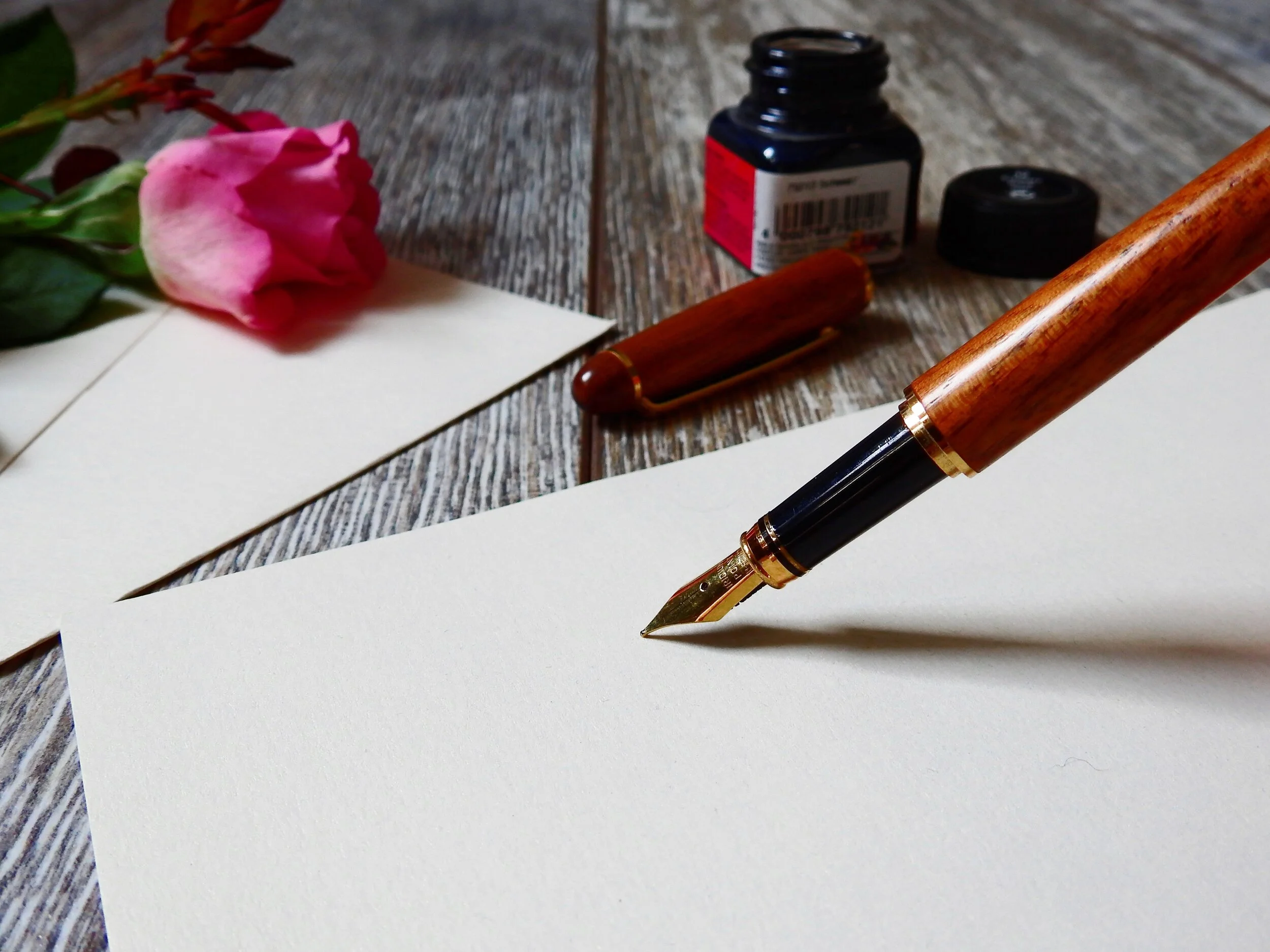
Keeping communication personal makes it much more likely to be read…
My Dad’s great grandson wrote him a letter during lockdown just telling him about what he’d been doing. He immediately wrote back (enclosing a little present) and it made me realise just how special it is to receive something that is hand-written. It seems sad that corresponding using pen and paper is a dying art even if it is a bit hard to read the spidery hand of a 96 year old!
Gone are the days of memos that land in a physical in-tray which is probably no bad thing, but the impersonal nature of so many emails is a significant contributor to poor adoption of change.
I have a particular hatred of generic email addresses that are sent from a dull ‘project’ email address. I’m much more likely to read an email that comes from a person - especially someone whom I respect - because I think it’s directed to me and not a group. And worse than that, I usually think that the project email doesn’t apply to me if it’s being sent out to a large group of recipients.
I understand why it’s easier for one person to send a blanket email to communicate with groups of people but maybe there is another way…
Could the project team - comms person, change lead or project manager - create the message and then ask the manager of each team to send the email? The manager could even add a personal note to highlight the relevance to their team and invite questions. I’ve noticed a big difference in change adoption where a manager ‘owns’ the project messaging compared to managers who just think it’s the job of the project manager to tell people what’s going on.
If you are a project manager, take a minute to think about the difference it would make if the people impacted by the change you are delivering got a personalised email rather than another unidentifiable from [email protected]
It would be a step too far to start sending out hand-written letters, but it’s probably worth spending a bit of time thinking of better ways to make communications relevant and read. Here are a few ideas you could try out:
The next time you sent out a generic email, follow up with a few recipients and ask them if they read it? If they haven’t ask them why not - it might well be that they are like me and just don’t think a generic email applies to them.
Ask the project sponsor to send out the next project communication. Ask the recipients if they read the email this time?
Find creative ways to avoid the generic email address
Please do get in touch if you want more ideas about how to deliver change with more impact: [email protected]